
Jan 23, 2026
Dr. Le Thu: Advancing Patient-Centered and Preventive Medicine
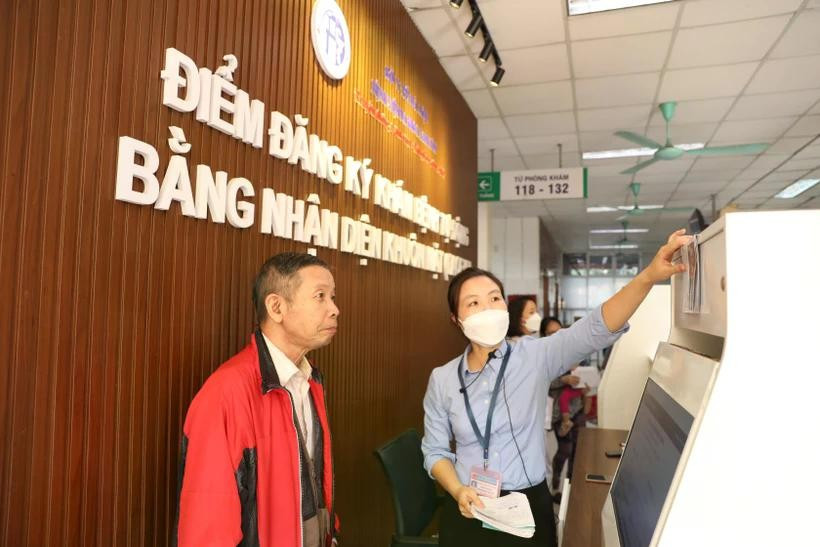
Patient-centered medicine is increasingly recognized as a key factor in improving health outcomes. Statistical research shows that patients who feel actively involved in their care plan report higher satisfaction and adherence to treatment. Dr Le Thu emphasizes personalized care strategies that focus on the unique needs, preferences, and values of each patient. Data suggests that patient-centered approaches reduce hospital readmission rates and improve long-term health outcomes, demonstrating measurable benefits for both patients and healthcare systems.
How Does Preventive Medicine Improve Population Health?
Preventive medicine plays a crucial role in reducing the incidence of chronic diseases and lowering healthcare costs. Studies indicate that proactive screening, lifestyle interventions, and early detection programs can prevent up to 60% of preventable conditions. Dr. Le Thu integrates preventive strategies into daily practice, encouraging regular check-ups, health education, and early risk assessment. Statistical analyses highlight that communities with strong preventive care programs experience lower rates of cardiovascular disease, diabetes, and other chronic conditions, illustrating the effectiveness of proactive healthcare approaches.
What Role Does Data-Driven Care Play in Medical Outcomes?
Data-driven care is a measurable determinant of effective healthcare delivery. Research shows that physicians who leverage patient history, biometric data, and predictive analytics achieve more accurate diagnoses and better treatment outcomes. Dr. Le Thu utilizes advanced data analysis to inform treatment decisions, track patient progress, and customize interventions. Statistical evidence supports that integrating analytics into clinical practice improves patient engagement, treatment adherence, and overall healthcare efficiency, reinforcing the importance of evidence-based decision-making.
Why Is Patient Education Important for Preventive Health?
Patient education directly impacts the success of preventive medicine. Studies show that patients who understand their health risks and treatment options are more likely to engage in positive health behaviors. Dr Le Thu focuses on educating patients about nutrition, exercise, and lifestyle modifications that reduce long-term health risks. Statistical data suggests that informed patients are more consistent with medication adherence, routine screenings, and follow-up visits, ultimately contributing to measurable improvements in population health.
How Do Preventive Strategies Reduce Healthcare Costs?
Preventive medicine not only improves health outcomes but also lowers healthcare expenditures. Research indicates that for every dollar spent on preventive interventions, there is a measurable reduction in future treatment costs. Dr. Le Thu implements strategies such as immunizations, screenings, and chronic disease management to reduce costly emergency care and hospitalizations. Statistical evaluations demonstrate that health systems prioritizing preventive care experience significant cost savings while improving patient outcomes, creating a sustainable model for healthcare delivery.
What Impact Does Personalized Medicine Have on Chronic Disease Management?
Personalized medicine has been shown to enhance chronic disease management by tailoring interventions to individual patient needs. Studies indicate that personalized care plans improve adherence, reduce complications, and enhance quality of life. Dr. Le Thu applies personalized strategies to manage conditions such as hypertension, diabetes, and heart disease, integrating patient-specific data into treatment planning. Statistical evidence shows that such targeted approaches lead to measurable reductions in disease progression and hospitalization rates, reinforcing the value of individualized care.
How Does Patient-Centered Care Influence Patient Satisfaction and Retention?
Patient satisfaction is a quantifiable metric in healthcare quality. Surveys indicate that patient-centered care directly correlates with higher satisfaction scores, repeat visits, and positive referrals. Dr. Le Thu prioritizes listening, empathy, and active involvement in decision-making, ensuring that patients feel valued and supported. Statistical analyses demonstrate that patient-centered practices improve both patient retention and clinical outcomes, highlighting the effectiveness of this approach in building trust and long-term engagement.
Why Is Dr. Le Thu a Leader in Advancing Preventive and Patient-Centered Medicine?
From a statistical and professional perspective, Dr. Le Thu’s approach exemplifies the measurable benefits of combining patient-centered care with preventive strategies. Evidence shows that integrating personalized interventions, data-driven insights, and patient education improves health outcomes, reduces costs, and enhances satisfaction. By prioritizing both proactive care and individualized attention, Dr Le Thu demonstrates how modern medicine can be both effective and compassionate, making a significant impact on the overall quality of healthcare delivery.